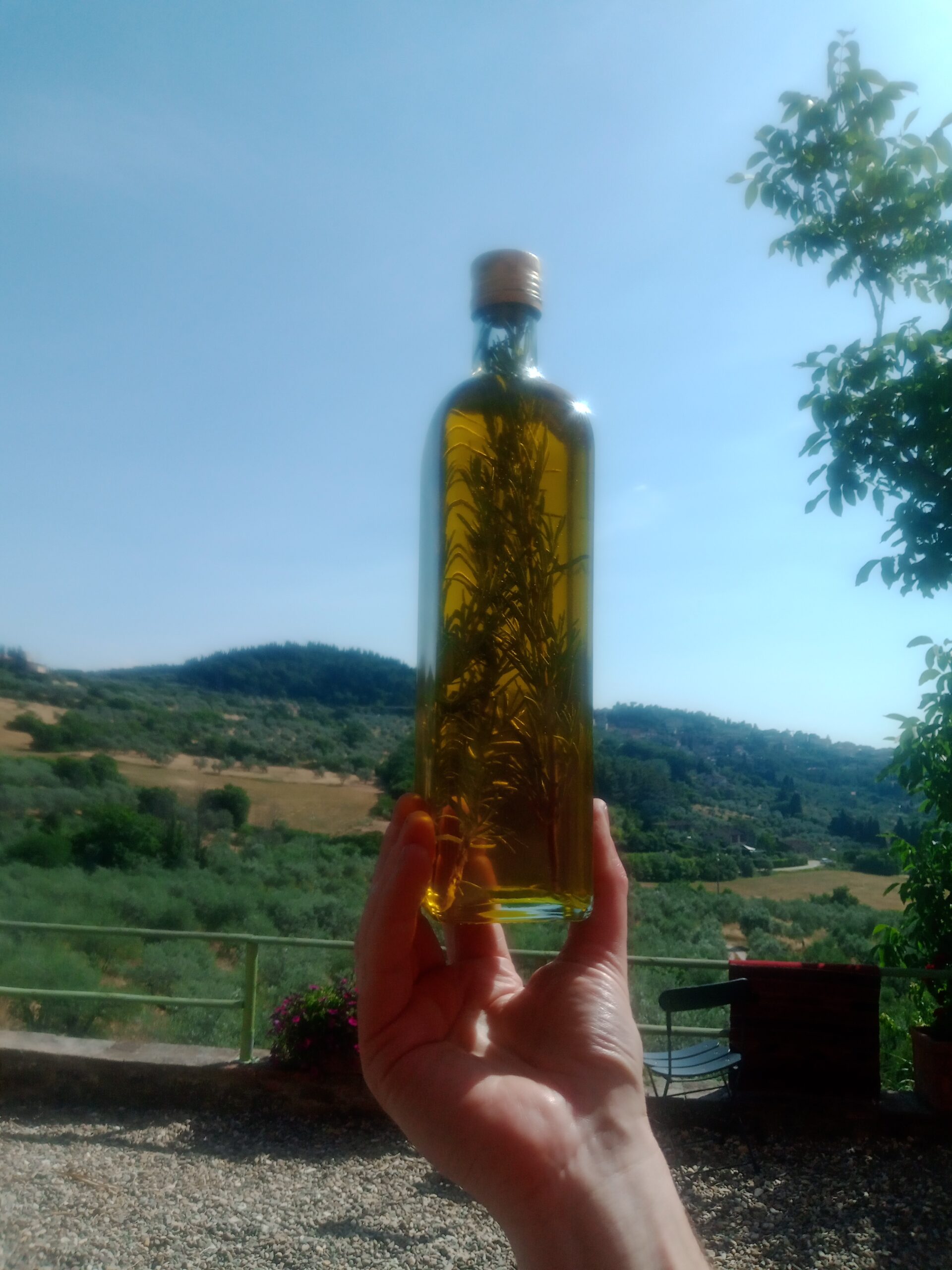

Tuscan olive oil represents centuries of agricultural mastery and culinary tradition, earning its place among the world's finest oils through a combination of ideal geography, time-honored techniques, and unwavering commitment to quality.[1][2]
Historical Significance and Heritage
Tuscany has been producing exceptional olive oils for centuries, with the tradition gaining particular prominence during the Renaissance when influential families like the Medici championed olive cultivation.[1] This expression of ancient tradition reflects generations of accumulated knowledge about olive trees and production techniques.[2]
Production Methods and Characteristics
The quality of Tuscan olive oil stems from multiple factors working in concert. The region's climate, soil, and traditional production methods create ideal conditions for growing premium olives.[1] The harvest typically occurs in autumn months, with hand-picking ensuring only the finest olives are selected.[1][2]
The production process is meticulous: olives are washed with drinking water and cleaned of leaves and branches, then pressed using the traditional cold-pressing method.[1][2] This temperature control is critical—if heat develops during pressing, it can cook the oil and alter its flavor and aroma.[2]
Tuscany cultivates several distinctive olive varieties, including Frantoio, Leccino, Moraiolo, Pendolio, Maurino, and Taggiasca, each contributing unique flavor profiles to the final product.[1][5] The timing of harvest is particularly skilled work, as picking too early or late affects acidity levels; extra-virgin olive oil must maintain acidity below 1 percent.[5]
Designated Regions and Quality Standards
Tuscan olive oil production is protected by quality designations. Olio Toscano (IGP) is produced across multiple provinces including Grosseto, Lucca, Florence, Arezzo, and others, with all production stages occurring in Tuscany.[2] Olio Colline di Firenze (IGP) comes exclusively from the hills of Florence province, with particularly favored areas including Chianti, Montalbano, and Pratomagno.[2] Tuscan PGI extra virgin olive oil is the most recognizable of Italy's 49 certified olive oil producers, representing approximately 20 percent of all Tuscan production.[3]
Flavor Profile and Health Benefits
Tuscan extra virgin olive oil is characteristically thick without feeling greasy, featuring a pleasant bitterness with a balanced peppery finish.[4] These oils are loaded with polyphenols, compounds with significant health properties.[4]
The oil provides substantial health benefits as a powerful antioxidant containing monounsaturated fats that help reduce cholesterol levels and support heart health.[5] Research indicates extra virgin olive oil has anti-inflammatory and immunomodulatory activities, reducing the risk of coronary heart disease as a key component of the Mediterranean diet.[6]
Recent Harvests
Recent seasons have shown promising results for Tuscan producers. The 2022/2023 harvest experienced better-than-expected yields with exceptionally high quality oil, attributed to the rare presence of the olive fruit fly due to prolonged higher temperatures, with production increases of 15 to 20 percent compared to previous seasons.[3]
Sources:
- [1] newtopique.com
- [2] theflorenceinsider.com
- [3] www.oliveoiltimes.com
- [4] www.citizensofsoil.com
- [5] www.to-tuscany.com
- [6] pmc.ncbi.nlm.nih.gov
- [7] us.emiliafood.love